July 21, 2026
Homeowners seeking to enhance the energy efficiency and comfort of their living spaces frequently face critical decisions regarding structural thermal barriers. Selecting the right materials can significantly lower annual utility costs, improve indoor air quality, and establish a consistent climate throughout a structure. This overview explores the distinct characteristics of spray foam and fiberglass options to help readers make informed choices for their property updates. By understanding how these materials perform under varying environmental conditions, property owners can maximize their long-term investment and improve daily living standards.
Understanding Thermal Barriers and Energy Efficiency
Thermal resistance is the primary metric used to evaluate how effectively a material prevents heat transfer across building envelopes. Products with higher resistance values impede the movement of warm air, keeping homes warmer during winter months and cooler throughout intense summer heatwaves. Restricting this heat flow minimizes the heavy workload placed on heating, ventilation, and air conditioning systems, which directly extends mechanical equipment lifespan and reduces monthly fuel consumption. Property owners often notice that stabilizing these indoor climates prevents the system from short-cycling, which typically accelerates equipment wear and tear.
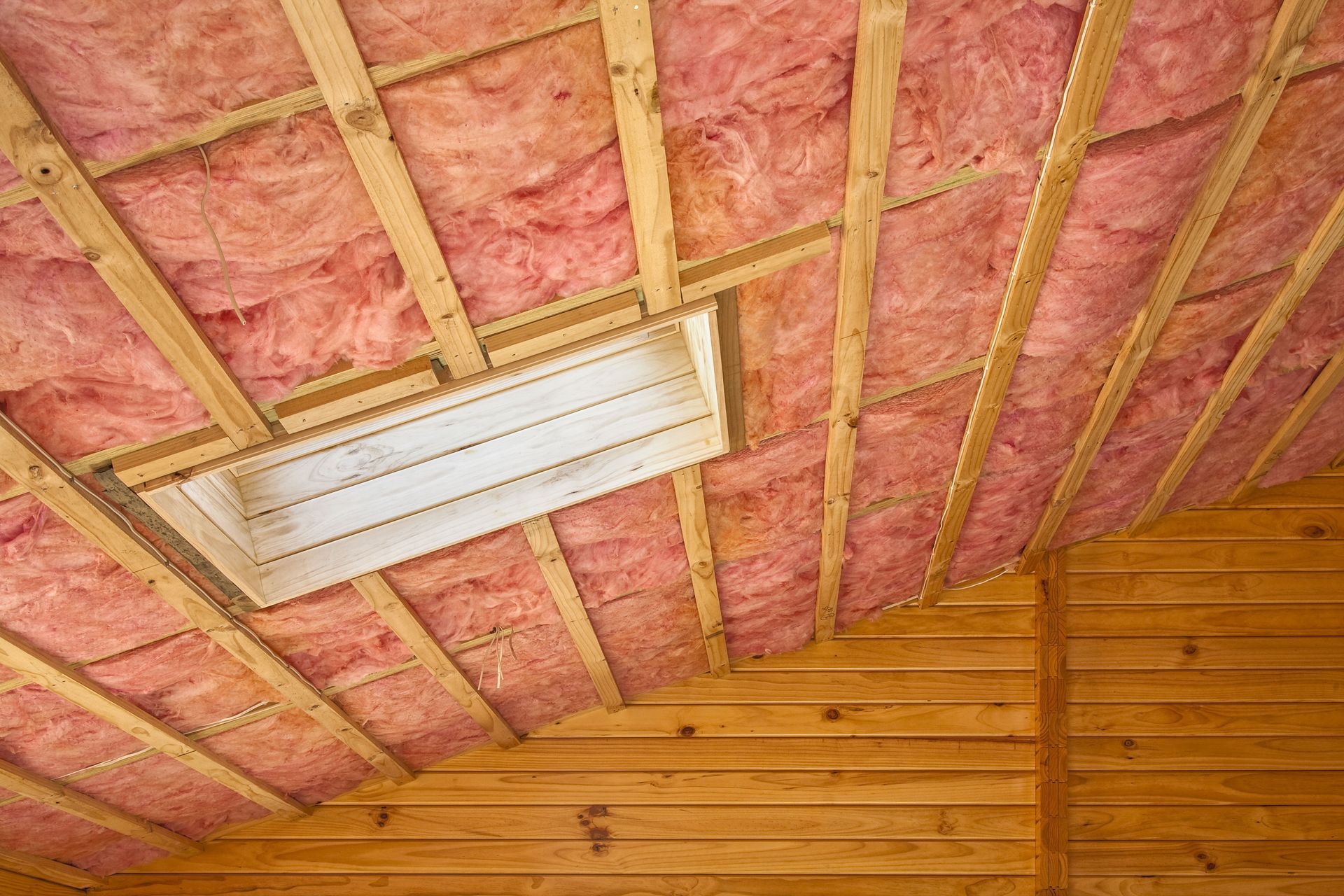
According to the U.S. Department of Energy, high-density fiberglass batt insulation for a 2x4 wall can have an R-value of R-15. This statistic highlights how traditional manufacturing processes have evolved to pack more density into standard framing dimensions, offering reliable performance for budget-conscious building projects. Achieving this specific rating requires meticulous installation techniques, as any compression or gaps within the wall cavity can drastically reduce the material's stated thermal effectiveness. When deployed correctly within standard framing, it serves as a highly reliable shield against seasonal temperature spikes.
Beyond maintaining comfortable temperatures, modern cellular and fiber barriers assist with advanced acoustic dampening across residential layouts. Minimizing external noise from heavy traffic, unpredictable weather, and nearby neighbors enhances the peace of indoor environments. Selecting an appropriate setup requires carefully analyzing regional climate trends, specific building layouts, architectural challenges, and long-term financial goals. Additionally, local building codes often dictate minimum resistance requirements, making professional guidance invaluable when planning an upgrade.
Evaluating Spray Foam Performance and Application
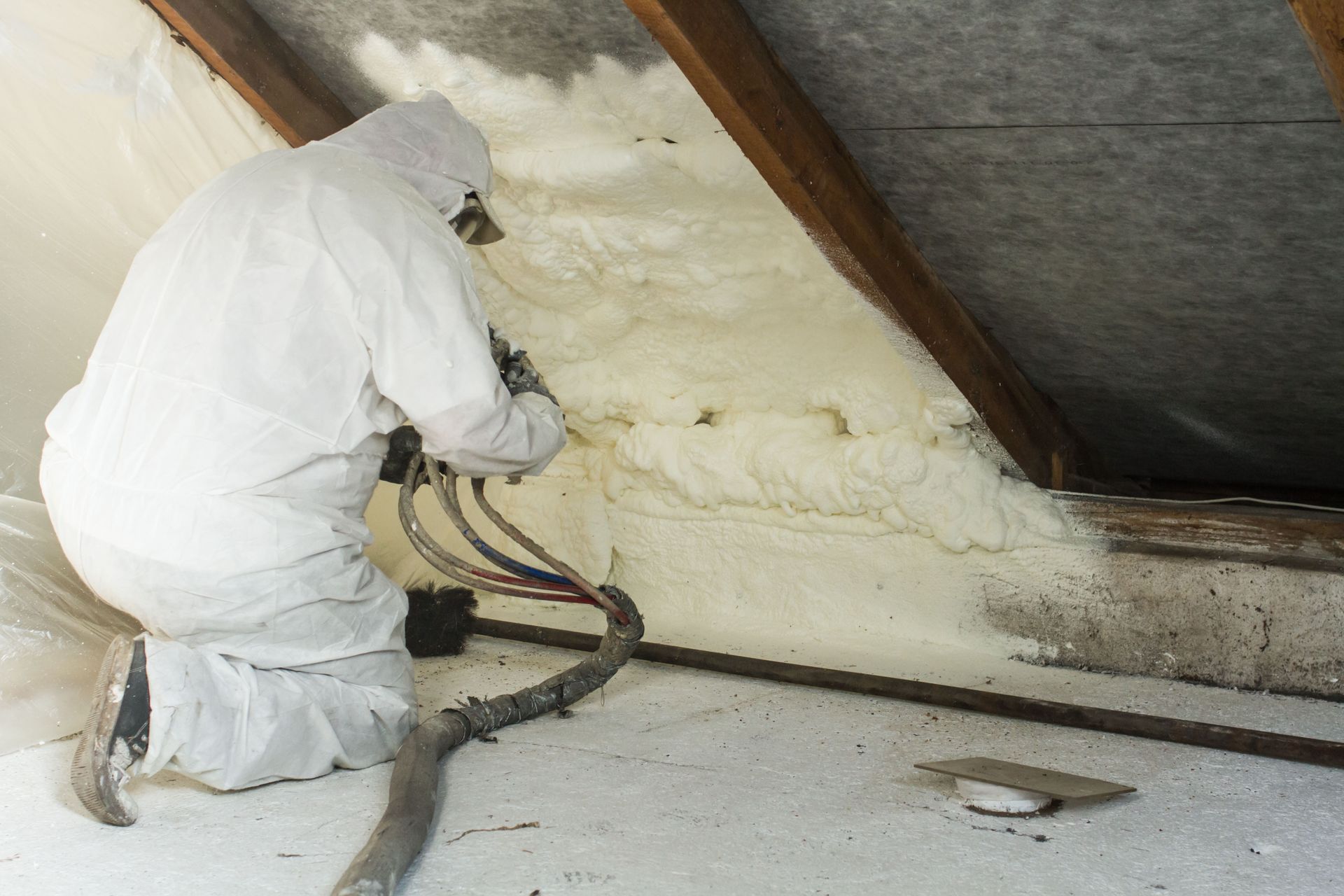
Polyurethane spray foam insulation has gained significant traction due to its dual capability as both a robust thermal barrier and a comprehensive air sealant. Liquid components mix at the application nozzle, expanding rapidly upon contact with building surfaces to fill deep gaps, joists, and minor structural crevices. This aggressive expansion creates a continuous, airtight boundary that stops drafts far more effectively than pre-cut materials. By blocking these micro-gaps, the material prevents conditioned indoor air from escaping while keeping unconditioned outdoor air from penetrating the living space.
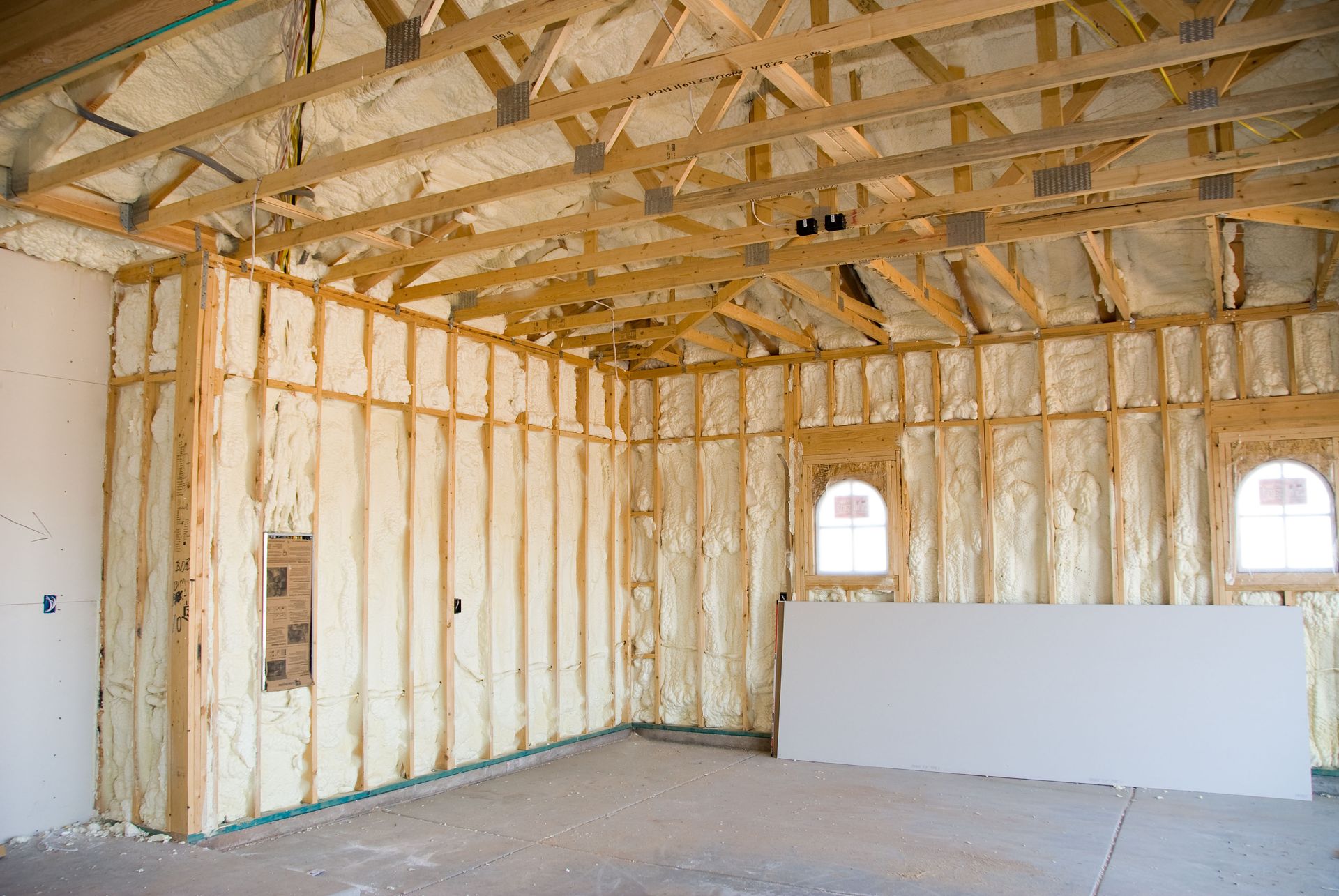
Two primary categories exist within this product type: open-cell and closed-cell chemical mixtures. Open-cell variants remain relatively flexible and lightweight, making them exceptional for interior walls where sound dampening and cost-efficiency are primary objectives. Closed-cell alternatives dry into a dense, rigid state that completely resists moisture penetration, adding measurable structural integrity to walls and roofs while maximizing thermal resistance per inch of thickness. This structural reinforcement is particularly beneficial for properties located in areas prone to high winds or severe storms.
Professional installation is highly recommended for these chemical mixtures to guarantee correct density, thickness, and proper curing times. While the initial upfront expenditure exceeds traditional alternatives, the comprehensive air sealing properties generally lead to significant monthly utility savings over time. Protecting the cured material from prolonged ultraviolet exposure ensures it remains stable for decades without breaking down. Furthermore, because it forms a seamless seal, it significantly reduces the entry of outdoor allergens, dust, and pollutants into the home.
Analyzing Fiberglass Materials and Installation
Traditional fiberglass insulation remains a staple of residential construction due to its historical reliability and upfront affordability. Composed of spun glass fibers woven into thick mats, this product functions by trapping tiny pockets of air within its structure to slow down conductive heat transfer. It is widely available in pre-cut batts designed to fit standard wall studs or as loose-fill material meant for blowing into spacious attics. The versatility of loose-fill options allows installers to achieve uniform coverage over irregular floor joists and around complex attic framing.
One of the primary advantages of glass-based barriers is their inherent resistance to fire, as glass does not naturally ignite or fuel flames. The straightforward nature of placing pre-cut batts also simplifies the installation timeline, allowing projects to proceed quickly without requiring specialized chemical curing periods or temporary home evacuations. It represents an accessible selection for straightforward retrofits, standard framing configurations, and projects where minimizing immediate labor expenses is a primary concern for the property owner.
However, glass fibers lack the inherent air-sealing capabilities of expanding foams, meaning separate vapor barriers and flashing tapes are often required to prevent drafts. Additionally, installers must wear protective equipment, including respirators and heavy gloves, to prevent skin and respiratory irritation from loose fibers during handling. When fitted precisely without compression, folds, or gaps, it delivers steady thermal defense that keeps a home comfortable throughout changing seasons.
Comparing Financial Costs and Structural Longevity
Upfront budgeting often determines which material is selected for a renovation or new construction project. Fiber-based options require a lower initial investment, making them highly attractive for large-scale projects, quick renovations, or tight budgets. Conversely, expanding chemical barriers demands specialized machinery, safety protocols, and certified technicians, raising the upfront labor and material costs significantly. Homeowners must balance these immediate financial realities against their long-term expectations for the property.
Long-term evaluation often shifts the financial perspective toward advanced sealing options. By completely blocking convective air currents, expanding products can lower monthly utility bills more dramatically than materials prone to shifting or sagging. Over several years, these cumulative operational savings can fully offset the initial price premium, delivering a net positive return on investment. Properties featuring these advanced materials also frequently command higher resale values due to their verified energy performance.
Durability factors also differ between the two methodologies over extended lifespans. Glass fibers can lose efficiency if exposed to moisture, pests, or physical compression over time, requiring eventual replacement or topping off. Sealed polyurethane compounds completely resist settling, do not degrade in humid conditions, and do not provide a food source or nesting material for pests, allowing them to retain their protective properties for the entire lifespan of the building framework.
Choosing the Right Option for Your Home
Deciding between these two popular methods depends heavily on the specific location within the property and local weather patterns. For instance, unconditioned basements, damp crawlspaces, and complex attic roof lines benefit immensely from the moisture resistance and custom fit of expanding foams. Standard vertical walls in mild climates can be effectively managed with budget-friendly fiber blankets, provided a proper vapor barrier is integrated into the assembly.
Combining both materials throughout a single property is a strategy utilized by many modern builders to optimize costs and performance. Utilizing expanding sealants around windows, doors, and rim joists addresses the most critical leak points, while standard fiber products fill out the remaining wall cavities. This hybrid approach balances budgetary constraints with high energy performance, giving homeowners the best features of both technologies without overspending.
Enhancing a property with effective thermal boundaries is a sound investment that yields immediate improvements in daily comfort and long-term utility spending. Whether choosing the comprehensive air-sealing power of expanding foams or the time-tested affordability of fiber batts, upgrading your home's defenses protects the structure from elements. For more information about the services that we offer, reach out to our incredible team at American Insulation today!