March 24, 2026
The consistent rise in utility costs poses a growing concern for homeowners and business owners alike. Energy efficiency plays a crucial role in this scenario, offering a pathway to both environmental sustainability and financial savings. One of the most effective ways to enhance energy efficiency in a property is to invest in professional insulation services. Insulation acts as a barrier to heat flow and is essential for keeping your home warm in the winter and cool in the summer. By improving your home's insulation, you can significantly lower your monthly utility bills while also increasing comfort throughout your living space.
The Basics of Home Insulation
Insulation effectively creates a thermal envelope around a building, acting as a protective barrier against external temperatures. Reducing heat loss in winter and heat gain in summer helps maintain a consistent indoor climate. This process involves strategically placing insulation in walls, floors, and ceilings, which can significantly reduce the energy needed for heating and cooling. Additionally, airtight insulation methods guard against leaks and drafts, further stabilizing energy consumption. Together, these components work to enhance both the comfort and efficiency of living spaces.
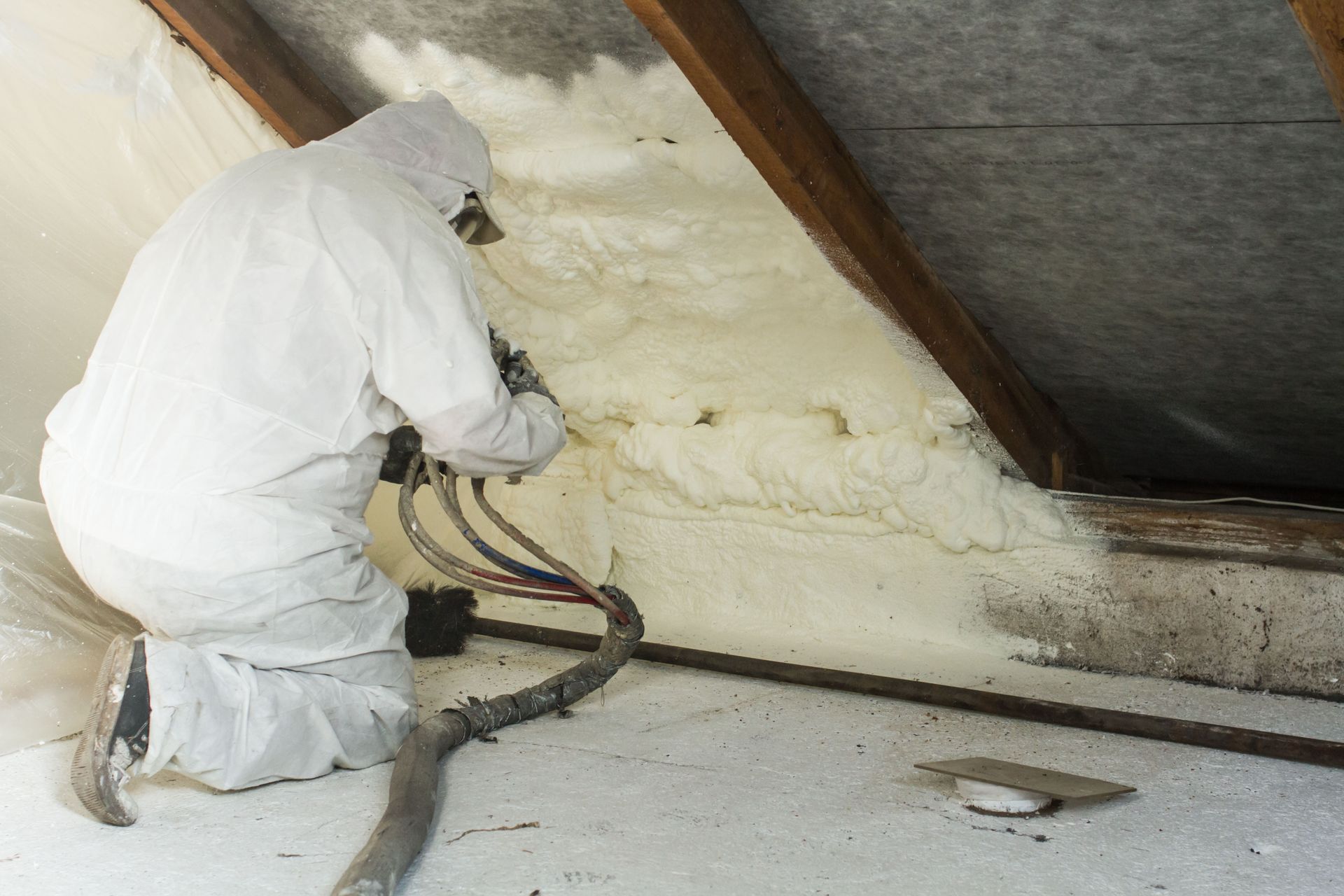
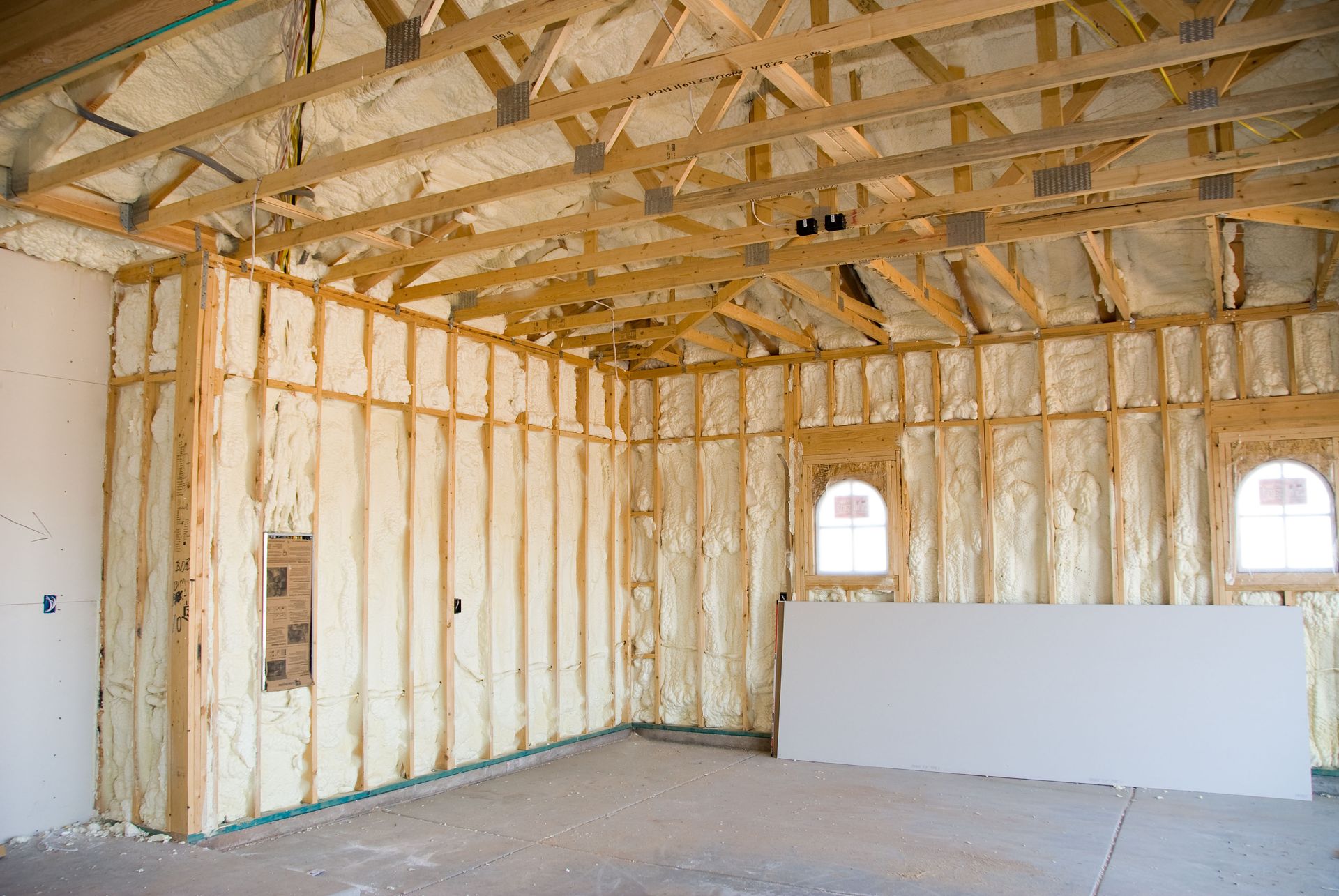
Various materials are employed in insulation to address different needs and building types. Common insulation materials include fiberglass, cellulose, foam board, and spray foam, each possessing distinct properties and applications. Fiberglass is widely used for its affordability and ease of installation, while cellulose offers an environmentally friendly option made from recycled paper products. Spray foam and foam board provide superior air-barrier performance, making them ideal for areas that require robust temperature control. Each material caters to specific thermal resistance requirements, contributing to optimal energy savings.
The most critical areas for insulation are those that offer significant opportunities for heat transfer. These include attics, walls, floors, basements, and crawl spaces, all of which serve as potential pathways for energy loss. Windows and doors also play a pivotal role in this area; in fact, according to the U.S. Department of Energy, windows account for about 30% of a home's heating energy loss. Proper insulation in these key areas can markedly improve a home's energy profile. Sealing and insulating these parts of the home not only enhances efficiency but also contributes to more substantial utility cost reductions.
Telltale signs that your home may require insulation services include fluctuating indoor temperatures and escalating energy bills. If rooms within a home exhibit uneven heating or cooling, this may indicate insufficient insulation or gaps allowing for unwanted heat flow. Another significant sign is when drafts are felt around windows or doors, suggesting that existing insulation is not effectively creating an airtight barrier. Additionally, if heating or cooling systems seem to run nonstop, this could be a sign of energy loss due to inadequate insulation. Addressing these issues promptly can prevent further energy waste and lead to substantial reductions in monthly utility costs.
The Connection Between Insulation and Energy Efficiency
Heat transfer is an inherent part of any building, dictated by the laws of thermodynamics. In uninsulated homes, heat moves freely from warmer to cooler spaces, leading to substantial energy loss. This phenomenon places a greater strain on heating and cooling systems, requiring more energy to maintain comfortable indoor temperatures. Effective insulation disrupts this natural heat flow, trapping warmth inside during cold months and keeping heat out during warm months. This strategic reduction in heat transfer is the key to minimizing energy loss and maximizing utility savings.
Insulation serves as a building's thermostat, helping manage internal temperatures amidst external changes. By conserving heat within the home in winter and shielding it from external warmth in summer, insulation plays a critical role in maintaining a balanced climate. This regulation is vital in preventing indoor temperature fluctuations, especially in regions with extreme weather conditions. Insulated buildings not only score higher on energy efficiency but also provide superior comfort and stability. Thus, insulation maintains a consistent interior climate and reduces reliance on costly energy consumption.
Investing in insulation services provides a tangible, lasting reduction in energy costs over time. Homeowners who incorporate quality insulation into their properties often document consistent decreases in utility costs, reinforcing the value of the initial investment. Comparing energy usage before and after insulation installation yields compelling data on the significance of addressing thermal gaps. Utility companies may provide usage analyses highlighting month-to-month or year-to-year changes, offering evidence of financial savings. With insulation, these measurable savings contribute to sustainable and economically sound living practices.
Calculating the Return on Investment (ROI) of insulation underscores the cost-effectiveness of energy-efficiency improvements. Upfront costs are offset by substantial utility savings over the life of the insulation. While the payback period varies by insulation type and local energy rates, many homeowners report recouping their costs within a few years. Beyond financial figures, the intrinsic value of increased comfort and reduced environmental impact bolsters the investment's appeal. Investors ultimately find that the ROI of insulation contributes to both economic and quality-of-life improvements.
The Financial Benefits and Incentives
One of the most attractive benefits of insulation services is the long-term cost savings they offer. Proper insulation drastically reduces energy consumption, leading to significant cuts in monthly utility bills. These savings compound over time, meaning that the initial investment in insulation can quickly pay for itself. Additionally, less strain on heating and cooling systems extends their lifespan and reduces maintenance costs. Thus, energy efficiency upgrades through insulation represent a strategic financial move that aids both short- and long-term budget goals.
Government rebates and incentive programs play a crucial role in encouraging homeowners to opt for energy-efficient improvements, such as insulation upgrades. Federal, state, and local programs often offer financial incentives to make these upgrades more accessible and affordable. By taking advantage of these programs, homeowners can reduce the upfront costs of installing insulation while still reaping substantial energy savings. These initiatives aim to promote a more sustainable approach to energy consumption, benefiting both individual consumers and the broader environment. Awareness of available programs is integral to capitalizing on these financial benefits.
Tax deductions for energy efficiency improvements offer additional financial incentives for homeowners looking to reduce their carbon footprint. Energy-efficient upgrades, such as insulation installation, may qualify homeowners for significant tax credits. These credits diminish the financial burden of initial investments, effectively lowering installation costs. To fully benefit, stakeholders should consult with tax advisors to maintain compliance with the necessary criteria and documentation. Energy efficiency tax breaks not only promote environmental conservation but also deliver personal monetary advantages.
Budgeting for insulation services is integral to achieving sustainability without financial strain. Assessments often include expected costs, specific to material choice and service providers. A well-organized budget anticipates both upfront and ongoing expenses associated with maintaining insulation efficacy. Consumers may determine financial readiness through savings, financing options, or taking advantage of available rebates. Understanding the balance between cost and value helps make informed choices that align with budget constraints while improving efficiency.
Investing in insulation services represents a pivotal strategy for lowering utility bills and enhancing overall energy efficiency. Insulation works tirelessly to maintain a stable indoor environment, reducing the strain on heating and cooling systems and yielding considerable cost savings. Potential customers and stakeholders are encouraged to invest in energy efficiency to help build a sustainable future. As significant challenges demand similar responses, professional insulation services stand ready to transform the landscape of energy consumption. Contact American Insulation today to schedule your consultation and discover how professional insulation solutions can improve your home’s comfort and energy efficiency.