September 23, 2026
Ensuring that your home is well-insulated is crucial for energy efficiency, comfort, and long-term savings. With advancements in insulation technology and changing environmental conditions, it might be time to assess whether your current insulation is up to the task. This article will guide homeowners through the key signs that indicate an upgrade is necessary. Upgrading insulation not only enhances your home's comfort but also significantly contributes to environmental sustainability. As energy costs rise, homeowners are increasingly looking to their insulation systems as a source of potential savings.
1. Rising Energy Bills
1.1 Seasonal Energy Cost Fluctuations
One of the first indications that your insulation may need an upgrade is a noticeable fluctuation in your seasonal energy bills. If your heating costs spike dramatically in the winter, or your cooling costs soar in the summer, inadequate insulation might be the primary culprit. Insufficient or degrading insulation can lead to increased dependency on HVAC systems, pushing your energy bills higher. Modern insulation materials offer better thermal resistance, which helps maintain a stable indoor temperature and reduces wasted energy. As homeowners strive for energy efficiency, understanding the role of insulation in controlling energy costs becomes crucial.
1.2 Comparing Energy Use with Similar Homes
Another way to evaluate the effectiveness of your home's insulation is to compare your energy usage with similar homes in your area. If neighbors with similarly sized houses and household habits have significantly lower energy bills, your insulation might be underperforming. Homeowners can typically obtain this information through energy assessment tools or local utility companies. Identifying inefficiencies can lead to cost-effective upgrades that reduce energy consumption and expenses. According to Finance.yahoo.com, the North American insulation market is projected to grow at a 3.6% CAGR, reaching $16.5 billion by 2028, underscoring the growing interest in energy-efficient solutions.
1.3 Identifying Insulation Gaps
Identifying gaps or areas where insulation is lacking is critical for improving energy efficiency. These voids are often unseen but can have significant impacts on your home’s heating and cooling expenses. Gaps may occur over time due to settling insulation, pests, or natural wear and tear. Homeowners can start by performing a simple attic and wall inspection to spot potential weak points. Professional assessments, like thermal imaging, can reveal unseen gaps and guide comprehensive insulation updates for better energy conservation.
2. Uneven Temperature Distribution
2.1 Cold and Hot Spots in Your Home
Uneven temperature distribution is another clear sign that it might be time to upgrade your insulation. Noticeable cold and hot spots across different rooms suggest that your home's insulation is not adequately maintaining a balanced indoor climate. This inconsistency can make certain areas uncomfortable to inhabit, reducing the overall comfort of your home. Newer insulation technologies offer superior thermal performance, leading to more even temperature distribution. By tackling these disparities, homeowners can ensure that every part of their home is comfortable year-round.
2.2 Examining Heating and Cooling Efficiency
The effectiveness of your heating and cooling systems can also indicate issues with insulation. If these systems seem to be working harder without achieving desired indoor temperatures, it may be because the insulation is allowing heat to escape or enter. Such inefficiencies not only increase energy bills but also place undue strain on HVAC systems, potentially leading to costly repairs. Upgrading insulation can alleviate this pressure, resulting in more efficient system operation and extended equipment lifespan. Thus, it is advantageous for homeowners to ensure their home is well-insulated to improve HVAC performance.
2.3 Signs of Poor Airflow and Circulation
Poor airflow and circulation can often be traced back to inadequate insulation. When insulation is subpar, it contributes to disrupted air movement within the home, which can create areas that are prone to drafts or stagnant air. This can lead to discomfort and uneven heating and cooling. Professional evaluations can identify these disruptions, and upgraded insulation can help restore proper air movement. Ensuring a well-insulated home promotes better air quality and an overall healthier living environment.
3. Drafts or Cold Breezes Indoors
3.1 Common Sources of Drafts
Drafts are one of the most noticeable signs of inadequate insulation and are commonly found around windows, doors, and in poorly insulated areas like attics. These drafts allow unwanted air exchange between indoor and outside environments, compromising the home's temperature control. Identifying and sealing these drafts with proper insulation or weatherstripping is a cost-effective solution. Strategic insulation improvements can mitigate such issues, enhancing comfort and energy efficiency. As energy conservation becomes more vital, addressing drafts becomes a priority in maintaining an energy-efficient home.
3.2 Window and Door Assessment
Windows and doors are prime areas where insulation can be compromised, leading to heat loss and increasing energy consumption. Double-glazing and proper sealing can dramatically improve the insulation performance of these openings. Regular inspections should be conducted to check for gaps, deteriorating weatherstrips, or sealant breaks. Implementing high-efficiency materials for these components can provide long-term savings by reducing the load on heating and cooling systems. Prioritizing these assessments helps maintain thermal comfort and supports energy-saving goals.
3.3 The Impact of Wall and Ceiling Insulation
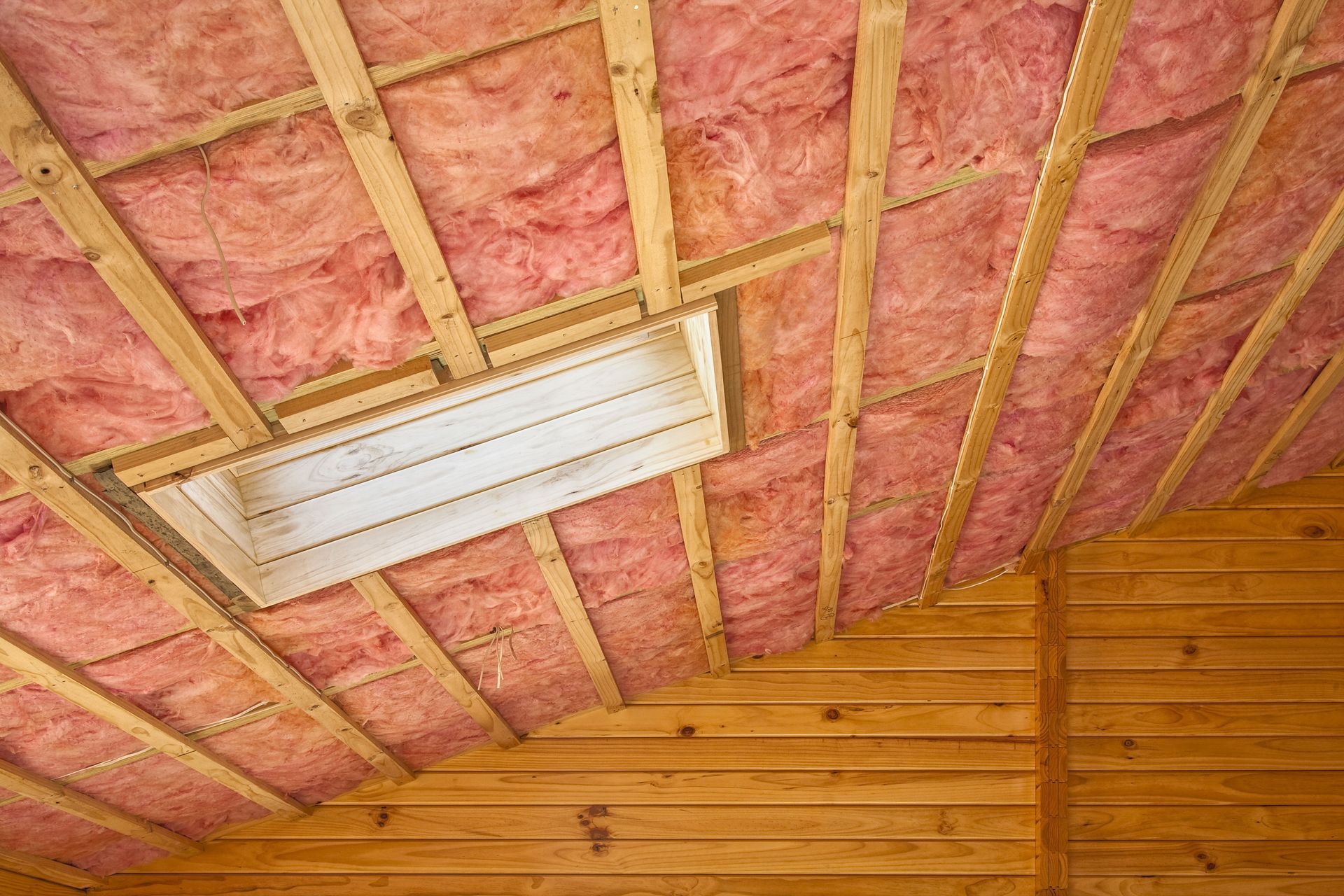
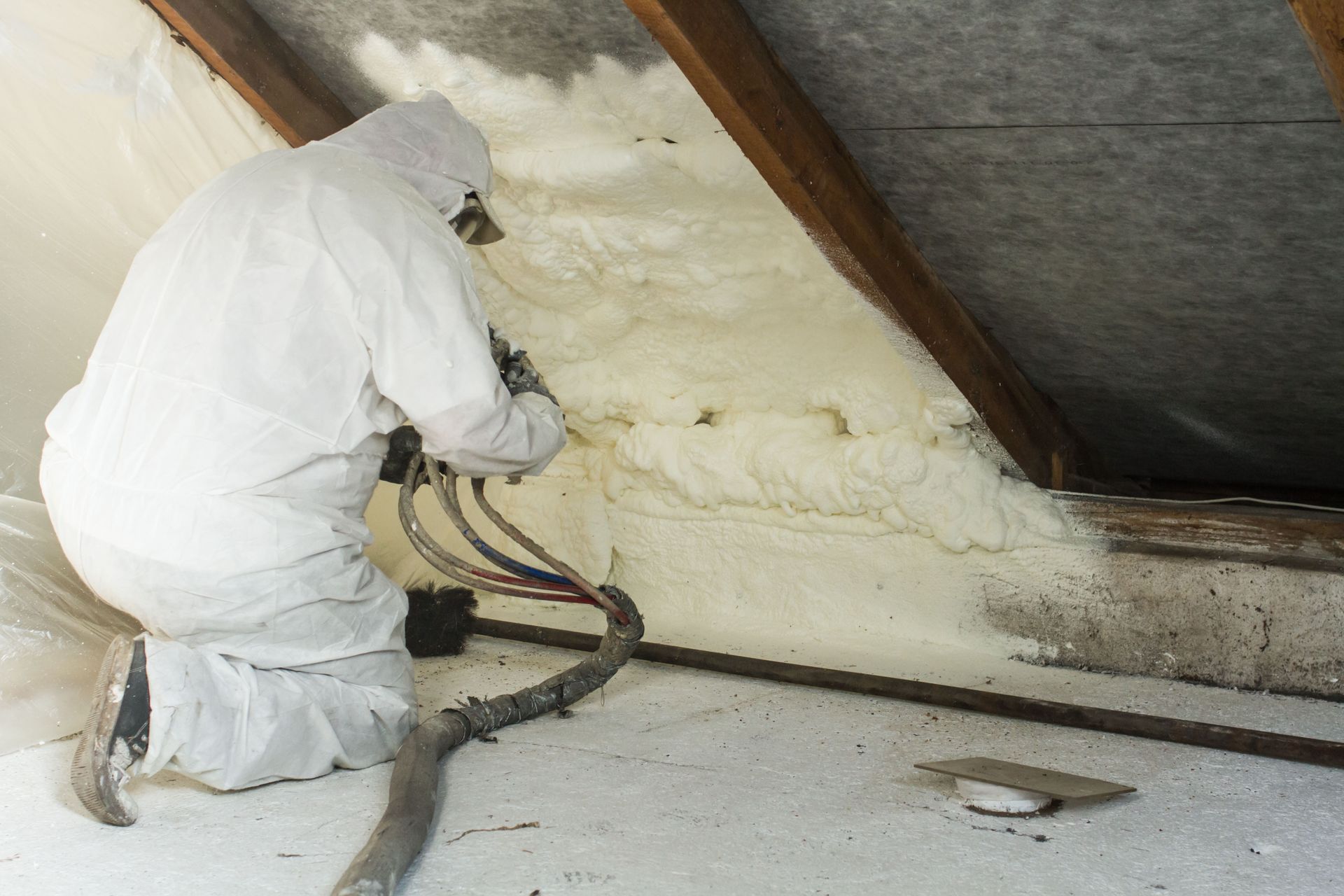
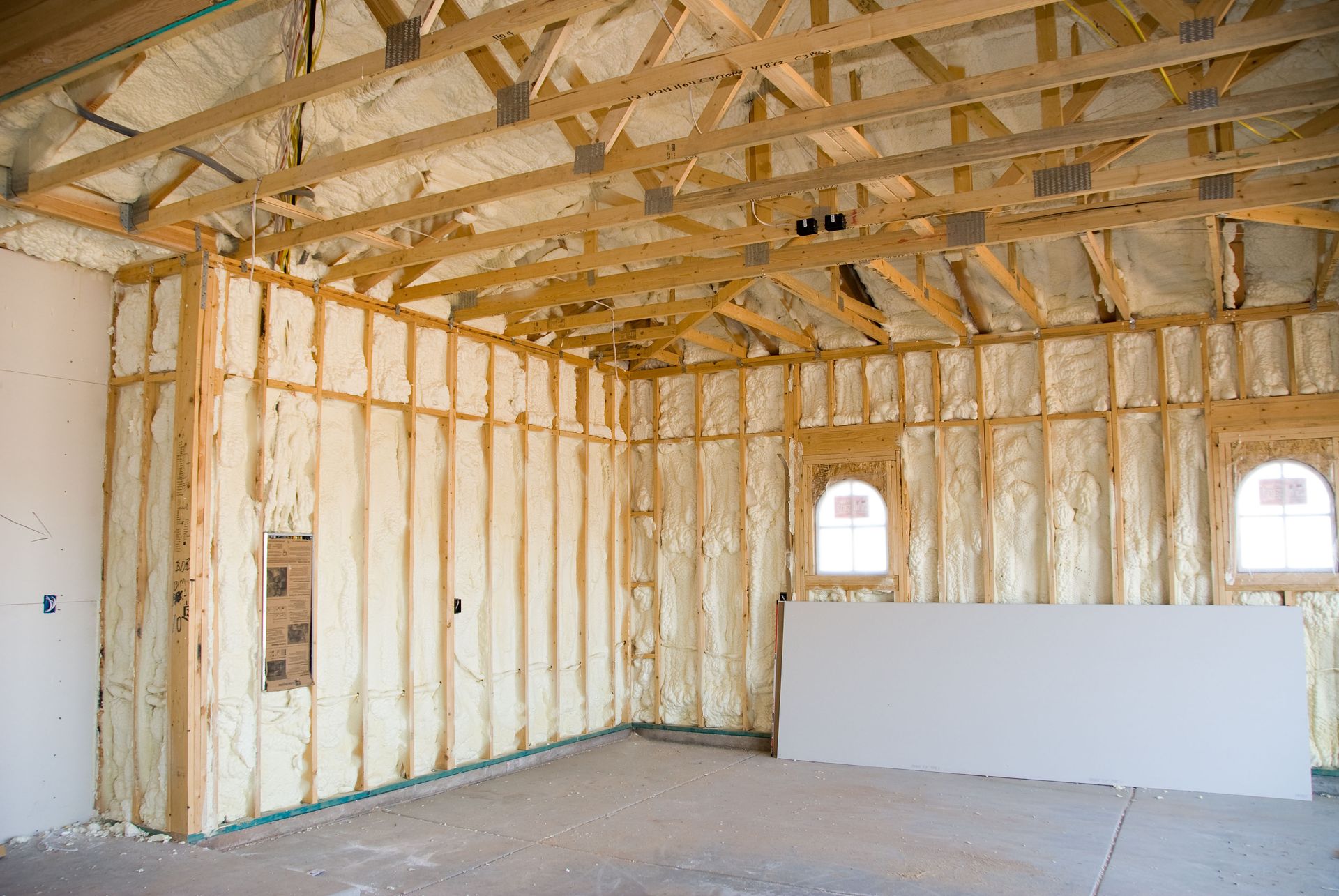
While windows and doors are common culprits of drafts, walls and ceilings can also contribute if not properly insulated. Inadequate insulation in these areas can lead to significant energy loss as heat can easily escape through poorly insulated surfaces. Increasing the insulation R-value of walls and ceilings enhances the thermal barrier, reducing heat transfer. Modern insulation materials like spray foam or rigid foam provide excellent thermal resistance and help maintain a stable indoor climate. By upgrading wall and ceiling insulation, homeowners can optimize their home's energy efficiency and decrease heating and cooling costs.
4. Persistent Moisture and Condensation
4.1 Identifying Signs of Moisture Damage
The presence of persistent moisture or condensation can be a warning sign of inadequate insulation. Moisture can cause extensive damage to the building's structure, leading to costly repairs and potential health hazards. Signs of moisture damage include peeling paint, water stains, or warped wood. An evaluation of your insulation system can help identify if it’s contributing to these issues, particularly if it isn’t designed to resist moisture. Choosing the right type of insulation can help manage humidity levels, which is vital for the longevity of your home and its systems.
4.2 Impact of Poor Insulation on Humidity Levels
Poor insulation can significantly impact indoor humidity levels, often exacerbating mold and mildew issues. When insulation does not effectively block moisture, it permits humid air to permeate walls, ceilings, and floors, leading to condensation problems. This can create a breeding ground for mold - a serious health hazard. Retrofitting your home with moisture-resistant insulation can maintain proper humidity levels and prevent these issues. It is crucial for homeowners to consider insulation's impact on managing indoor air quality and moisture control.
4.3 Dealing with Mold and Mildew Growth
If a home has ongoing issues with mold and mildew, it may indicate that existing insulation is inadequate. Mold and mildew can thrive in damp environments and produce allergens and irritants. Removing mold involves enhancing ventilation and upgrading insulation to moisture-resistant materials. These steps not only eliminate existing growth but also prevent future occurrences. Maintaining a mold-free home protects both the structural integrity of your property and the health of its occupants.
Upgrading your home's insulation is not only about maximizing energy efficiency; it's about optimizing overall comfort, safety, and property value. By keeping an eye out for the signs highlighted in this article, homeowners can make informed decisions about when and how to improve their home's insulation, leading to long-term savings and satisfaction. The investment in modern insulation materials is justified by potential reductions in energy costs, improved air quality, and enhanced indoor comfort. Additionally, as the market for insulation continues to grow, homeowners have more innovative options available. Proactively addressing these issues ensures a pleasant living environment and contributes to the sustainability of our planet. Reach out to American Insulation today to see how we can help you!