November 26, 2026
Selecting the right thermal barrier for your property involves balancing upfront budget, local climate demands, and long-term energy efficiency goals. Homeowners frequently feel overwhelmed when comparing modern building materials because every product claims superior thermal performance and lasting durability. Consulting an experienced insulation company simplifies this complex decision by aligning your specific structural needs with the ideal material properties. Understanding the core differences between spray foam, fiberglass, and mineral wool empowers you to make a confident investment in indoor comfort, acoustic privacy, and substantial monthly utility savings.
Evaluating Spray Foam Performance and Air Sealing
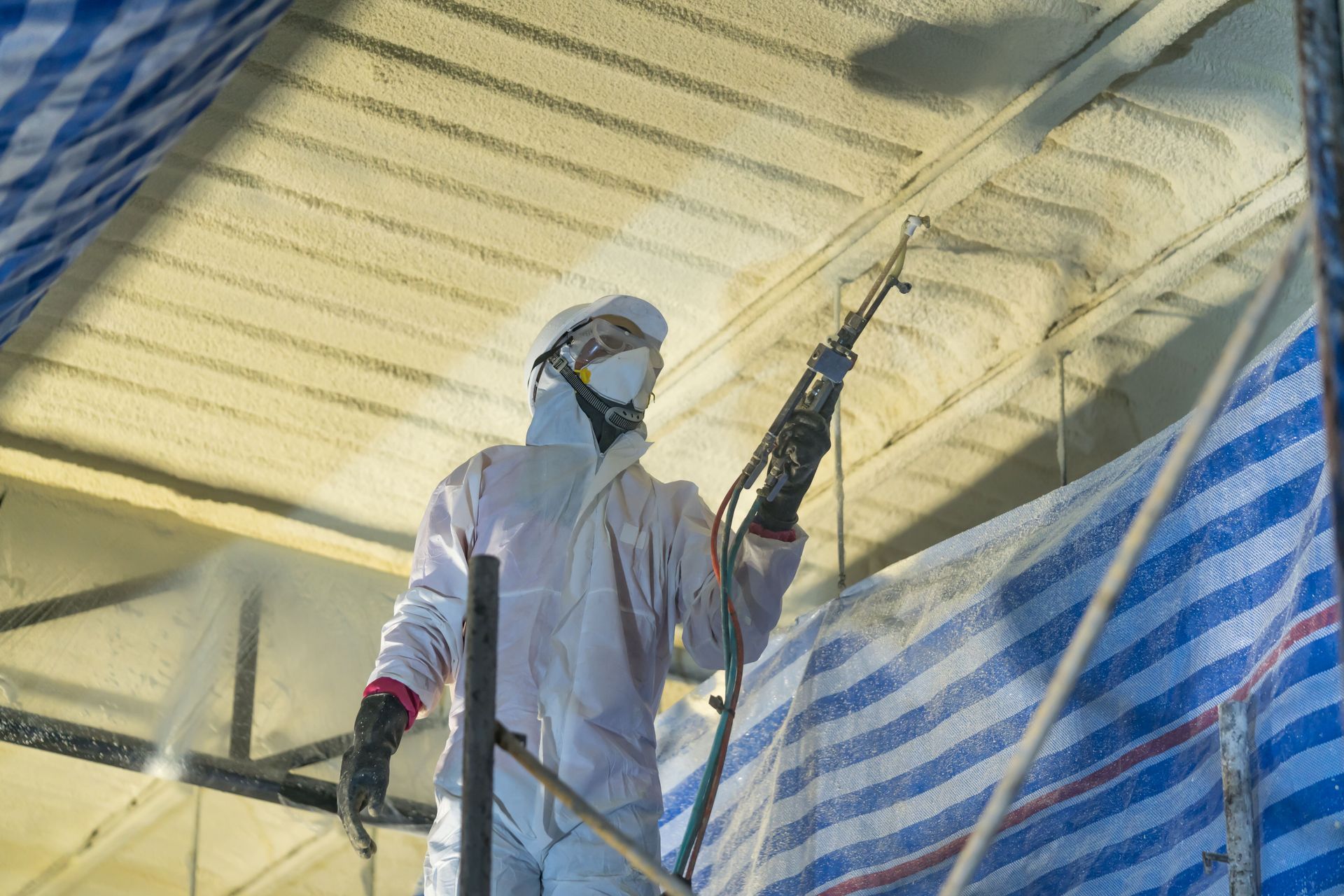
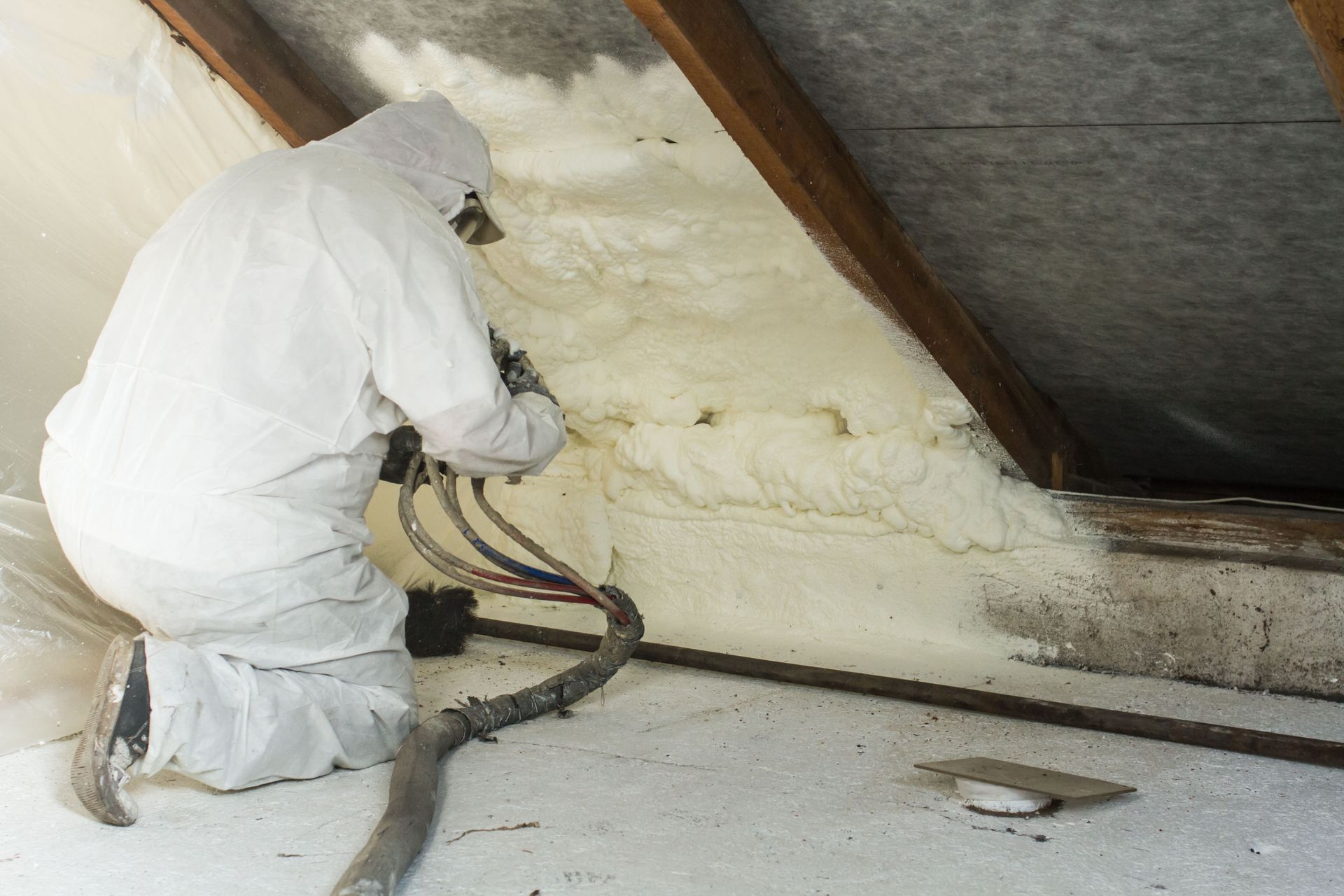
Spray foam stands apart from traditional building materials because it expands rapidly upon application to fill every tiny crack, crevice, and irregular framing cavity. Certified technicians apply this liquid polyurethane mixture directly onto open framing, where it cures into a rigid, continuous thermal barrier. This expansion completely eliminates hidden air leakage, which often accounts for significant conditioned air escaping through exterior walls, rim joists, and attics. By stopping drafts at their source, spray foam creates a tightly sealed building envelope that drastically reduces mechanical strain on heating and cooling systems.
Beyond superior air sealing, closed-cell spray foam adds valuable structural rigidity to walls and roof decks while acting as an effective moisture vapor barrier. Open-cell varieties remain softer and more flexible, allowing trapped moisture vapor to pass through safely while providing remarkable interior sound dampening. Although the upfront installation investment exceeds traditional batt materials, homeowners regularly recoup the expense through lower monthly energy bills and extended HVAC equipment lifespans.
Understanding Fiberglass Batts and Blown-In Options
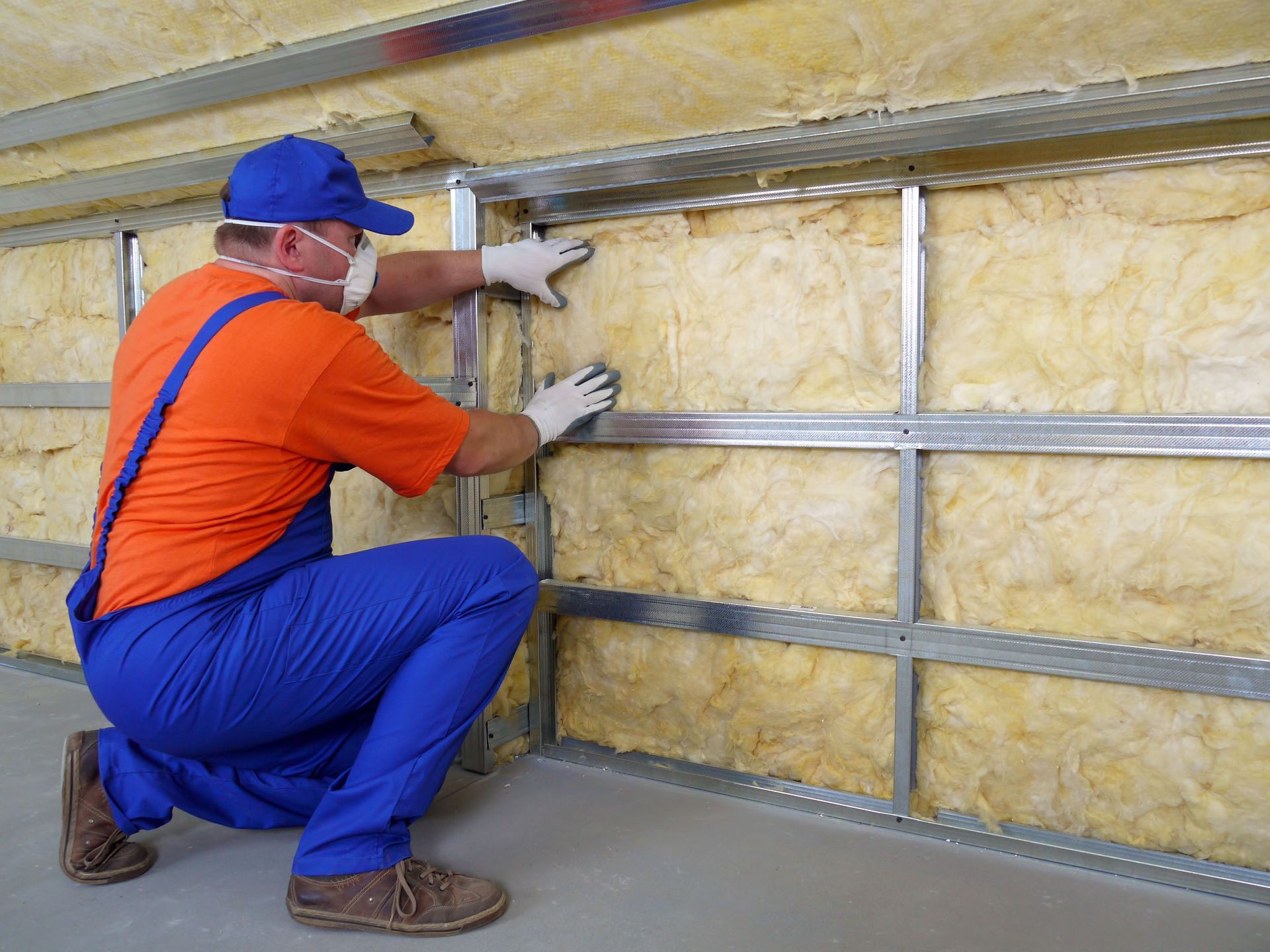
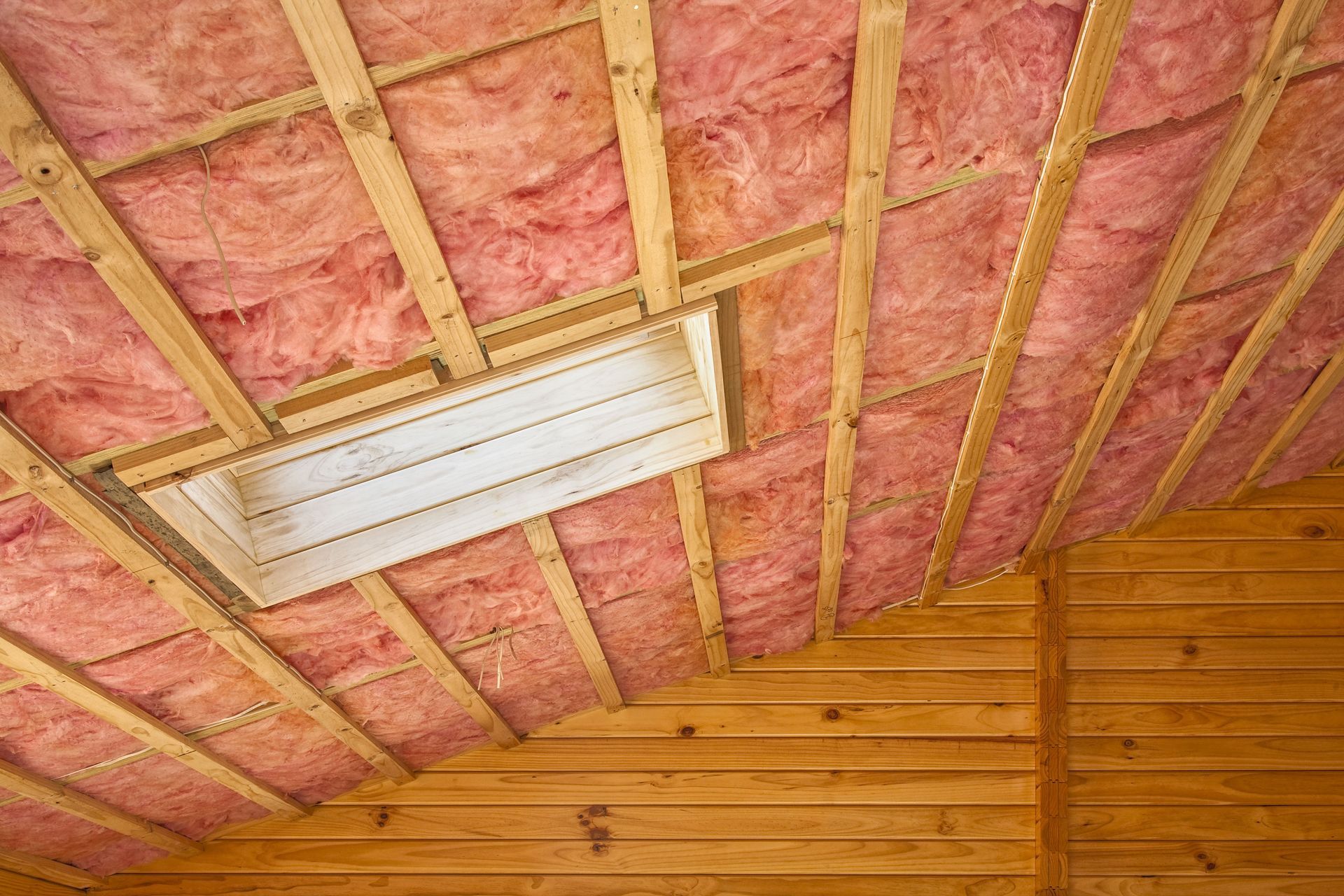
Fiberglass remains the most widely recognized and budget-friendly thermal barrier available for residential new construction and attic retrofits. Manufactured from extremely fine spun glass fibers, this versatile material traps millions of tiny pockets of air to slow down conductive heat transfer between indoor and outdoor environments.
Proper installation technique plays a critical role in how well fiberglass performs over the lifespan of your home. If installers compress the fluffy batts tightly or leave awkward gaps around electrical boxes and plumbing pipes, thermal bridging occurs, and overall efficiency drops sharply. Consulting a trusted insulation company ensures the fiberglass fits snugly into every cavity without compression, preserving its intended thermal resistance while keeping project costs remarkably affordable.
Exploring Mineral Wool Durability and Fire Resistance
Mineral wool, frequently referred to as rock wool or slag wool, is crafted by spinning molten volcanic rock and recycled industrial slag into dense, fibrous mats. This specialized manufacturing process yields a heavy, semi-rigid batt that stubbornly resists slumping, sagging, or settling inside wall cavities over decades of continuous service. Because the intertwined stone fibers are naturally dense and rigid, installers can easily friction-fit the batts tightly between framing studs without needing staples or extra fasteners.
Homeowners often choose mineral wool for its exceptional fire resistance and superior acoustic dampening capabilities throughout multi-story residences. The stone-based fibers withstand extreme temperatures without melting or emitting toxic smoke, providing valuable extra protection against fire spread between living spaces or floors. Additionally, mineral wool actively repels liquid water and resists mold growth, making it an ideal choice for damp basements, exterior sheathing, and noisy media rooms.
Comparing Moisture Management and Mold Prevention
Uncontrolled moisture intrusion ruins thermal performance and compromises indoor air quality whenever water becomes trapped inside enclosed wall assemblies. Traditional fiberglass can absorb liquid water during roof leaks or severe humidity events, causing the fibers to sag downward and lose their insulating value until completely dried or replaced. Furthermore, the kraft paper facing found on certain fiberglass batts can provide an organic food source for mold spores if damp conditions persist inside walls.
In stark contrast, closed-cell spray foam and mineral wool handle moisture far more effectively in humid climates or below-grade environments. Closed-cell foam is virtually impermeable to bulk water, preventing exterior moisture from soaking into vulnerable wooden framing lumber. Mineral wool allows trapped water vapor to dry outward freely while shedding liquid droplets, ensuring an insulation company can safely recommend it for damp basement foundations and exterior wall applications.
Weighing Soundproofing and Acoustic Control Benefits
Controlling airborne noise between busy living spaces, quiet bedrooms, and outside street traffic ranks high on the priority list for many property owners. Heavy, dense materials absorb acoustic vibrations much better than lightweight alternatives, preventing sound waves from traveling easily through drywall and wood framing studs. Mineral wool excels in residential acoustic control because its high physical density disrupts sound transmission across a wide range of disruptive frequencies.
Open-cell spray foam also delivers impressive sound reduction by expanding outward to block tiny air pathways where noise typically leaks through interior partitions. While standard fiberglass provides modest acoustic benefits, upgrading to dense mineral wool or open-cell foam transforms noisy hallways, bathrooms, and home offices into peaceful retreats. Partnering with a knowledgeable insulation company helps you target specific interior walls and floor assemblies for maximum acoustic privacy.
Assessing Whole-Home Energy Loss and Window Drafts
Upgrading wall and attic materials dramatically improves indoor comfort, yet overlooking other weak points in the building envelope severely limits overall efficiency gains. According to the U.S. Department of Energy, about 30% of a home’s heating energy is lost through windows. Addressing these vulnerable glass surfaces alongside comprehensive wall and attic upgrades prevents expensive conditioned air from slipping away unnoticed during peak winter and summer weather.
Integrating high-performance cavity barriers with meticulous air sealing around window frames and door trim creates a cohesive shield against extreme outdoor temperatures. A thorough insulation company evaluates the entire thermal envelope systematically rather than focusing solely on isolated attic spaces. Combining insulated window treatments, fresh weatherstripping, and tailored cavity materials maximizes your home's energy retention and indoor comfort throughout every changing season.
Choosing the Right Material for Your Budget and Goals
Balancing upfront installation expenses against long-term utility savings determines which thermal material fits your renovation or custom building project best. Fiberglass offers the lowest initial price point, making it highly attractive for expansive attic top-offs or budget-conscious remodels where air sealing is handled separately with caulk and foam. Mineral wool sits comfortably in the middle tier, delivering premium fire safety, moisture resilience, and acoustic control without the higher equipment cost of spray foam.
Spray foam commands the highest initial investment, yet its unmatched air-sealing power and superior thermal resistance per inch make it indispensable for tight framing spaces and extreme climates. Consulting an experienced insulation company allows you to mix and match materials strategically across different zones of your house.
Preparing Your Property for Professional Installation
Smooth installation begins well before trained technicians arrive on site with application hoses, blowing machines, or bundles of heavy batts. Homeowners should clear stored boxes and fragile items from attics, basements, and garages so installation crews can access framing cavities safely and efficiently. Removing old, soiled materials and repairing existing roof or plumbing leaks beforehand prevents brand-new barriers from suffering premature water damage or pest contamination.
Reputable crews conduct thorough pre-installation safety inspections, checking for recessed lighting fixtures that require proper clearance and ensuring attic soffit ventilation pathways remain completely unobstructed. Working with a certified insulation company guarantees that technicians wear appropriate protective respiratory gear and follow strict local building codes during every phase of application.
Ready to boost your home's year-round comfort, slash monthly utility bills, and protect your property with expert installation? Contact American Insulation today to schedule your comprehensive home energy evaluation and receive a customized quote tailored to your exact structural needs!